In this edition of the AskEllyn blog, we’ll offer up some suggestions on holiday rituals for cancer survivors to help you and your family find peace and solace.
There are years when the holidays feel light — and years when they feel impossibly heavy.
This year, for many of us, the weight is unmistakable.
We are watching tragic events unfold in the world: war, violence, displacement, loss of life that feels relentless and incomprehensible. The news cycle does not pause for grief, nor does it pause for healing. For cancer survivors and the people who love them, this global sorrow often lands on top of an already tender nervous system.
Because once you’ve lived through cancer, the world does not feel abstract anymore. Suffering isn’t theoretical. Loss isn’t distant. Mortality is no longer a concept — it’s personal.
And during the holidays — a season that insists on joy, gratitude, and togetherness — that awareness can feel isolating.
So the question many survivors and families quietly ask is not “How do I celebrate?
It’s:
How do I find peace — or at least steadiness — in a world that feels so fragile, and what holiday rituals for cancer survivors make sense?”
This is not a guide to “staying positive.” It’s an invitation to create holiday rituals for cancer survivors that help you feel anchored, present, and resourced — even when peace feels partial.
When the World Feels Unsafe, the Body Remembers
Cancer changes the nervous system.
Research has shown that people who experience serious illness or trauma can have heightened stress responses long after treatment ends — particularly during periods of uncertainty or heightened emotional load (American Psychological Association).
👉 https://www.apa.org/topics/trauma
Even years later, many survivors notice that:
- Loud news cycles feel overwhelming
- Global crises hit closer to home
- Other people’s suffering feels unbearable
- The body reacts before the mind can reason
This isn’t weakness. It’s attunement.
After cancer, your body knows how quickly life can shift. It knows that safety is not guaranteed. So when the world feels unstable, your system may default to vigilance, grief, or exhaustion — especially during the holidays.
That’s why peace during this season rarely comes from doing more.
It comes from holiday rituals for cancer survivors — small, intentional acts that remind your body and heart: I am here. I am safe enough. I am allowed to tend to myself.
Rethinking Peace: Not Absence of Pain, But Presence of Care
For cancer survivors, peace is often misunderstood.
Peace is not:
- Feeling happy all the time
- Ignoring global suffering
- Forcing gratitude
- Pretending the year wasn’t hard
Peace, instead, can look like:
- Choosing gentleness over performance
- Allowing grief and joy to coexist
- Creating moments of refuge inside difficult days
- Reclaiming agency over how you spend your energy
The National Cancer Institute acknowledges that emotional distress, fear, and uncertainty are common and ongoing experiences for cancer survivors — not something that neatly resolves when treatment ends.
👉 https://www.cancer.gov/about-cancer/coping/feelings
Holiday rituals for cancer survivors matter because they offer structure when meaning feels fractured.
1. The Ritual of Curated Attention
One of the most radical acts right now is deciding what you allow into your nervous system.
Chronic exposure to distressing news has been linked to increased anxiety and emotional fatigue (American Psychological Association).
👉 https://www.apa.org/monitor/2022/11/strain-media-overload
A simple ritual:
- Choose one specific time of day to check the news
- Avoid it first thing in the morning or last thing at night
- Light a candle or take a deep breath before and after
This signals to your body: I am informed, but I am not consumed.
2. The Ritual of Lighting Something Daily
Light has always been symbolic during dark seasons — across cultures, religions, and histories.
For survivors, light can represent:
- Survival
- Continuity
- Memory
- Hope without denial
This kind of grounding ritual aligns with evidence-based mindfulness practices shown to reduce stress and improve emotional regulation (Mindful.org).
👉 https://www.mindful.org/what-is-mindfulness/
3. The Ritual of Body Reassurance
After cancer, peace is often physical before it is emotional.
Many survivors live with long-term effects of treatment — including fatigue, joint pain, scar sensitivity, and hormonal shifts — all of which can intensify under stress (National Cancer Institute).
👉 https://www.cancer.gov/about-cancer/treatment/side-effects
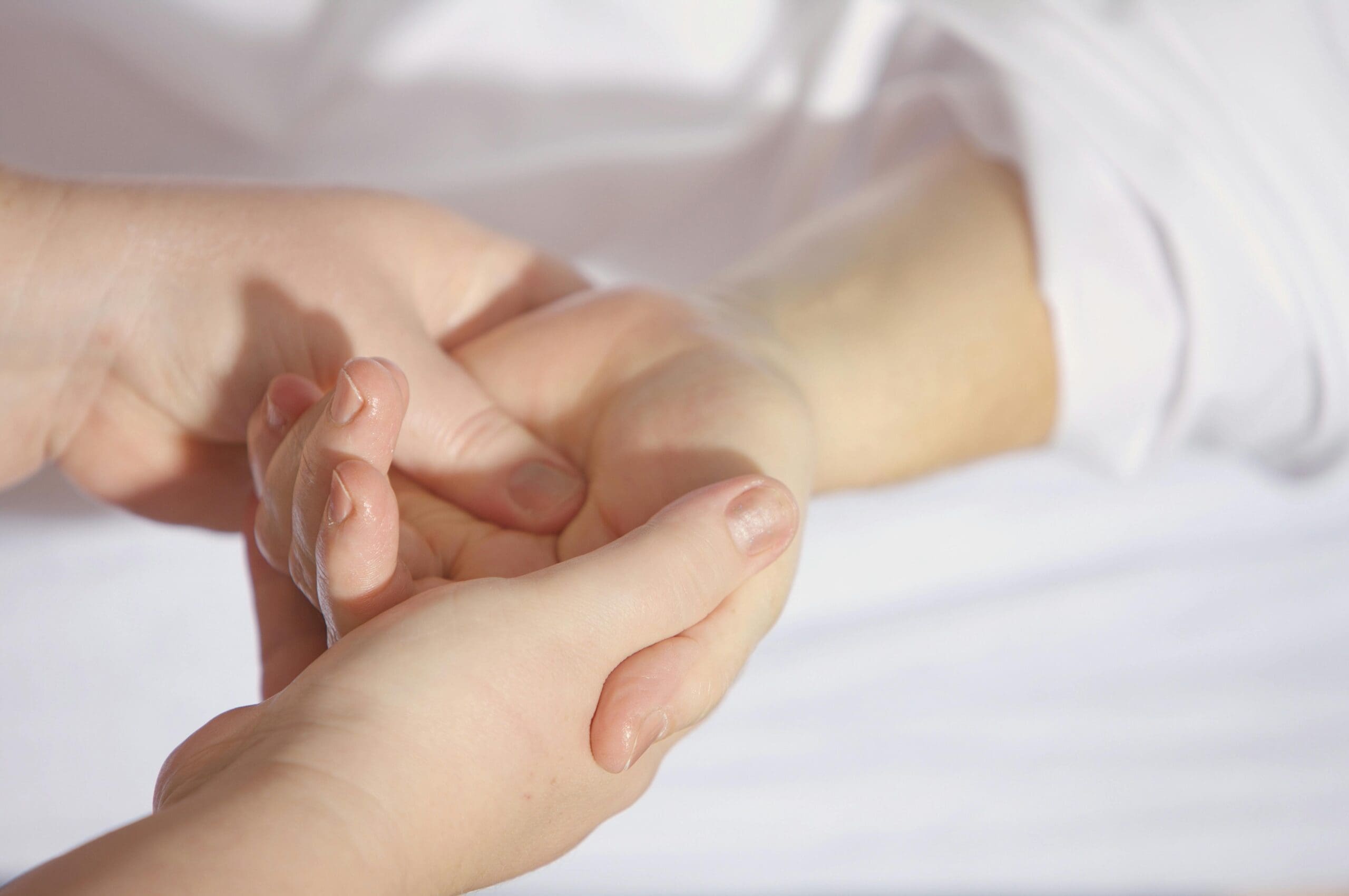
This is where gentle movement, warmth, and touch matter.
If body changes are part of your story — including mastectomy, reconstruction, or choosing to go flat — you may find resonance in other AskEllyn conversations about living comfortably and confidently in a changed body:
👉 https://askellyn.ai/lifestyle-blog-sharing-breast-cancer-wisdom-stories/
(You may also find support in AskEllyn’s content on flat fashion, post-mastectomy comfort, and navigating life after a double mastectomy.)
4. The Ritual of Permission
Holidays come with scripts — and survivors often no longer fit them.
Cancer forces a reckoning with limits, energy, and priorities. Honouring those limits is associated with lower stress and better emotional outcomes (American Cancer Society).
👉 https://www.cancer.org/cancer/survivorship/coping.html
Permission to rest is not failure.
It’s adaptation.
5. The Ritual of Meaningful Connection
Connection doesn’t require performance.
Studies consistently show that perceived emotional support — not social volume — is what protects mental health during stressful periods (Science Direct).
👉 https://www.sciencedirect.com/science/article/abs/pii/S0023969024000109
This echoes what many AskEllyn readers share: one safe conversation can matter more than an entire room.
6. The Ritual of Grief Acknowledgment
Grief is not a detour from healing — it’s part of it.
The World Health Organization recognizes grief and loss as major contributors to emotional distress during crises and prolonged uncertainty.
👉 https://www.who.int/teams/mental-health-and-substance-use
For survivors, grief may include:
- The body you once had
- The certainty you once felt
- The version of the future you imagined
Naming grief softens its grip.
7. The Ritual of Gentle Looking Forward
Resilience is not about optimism — it’s about continuity.
Research on post-traumatic growth suggests that meaning-making and intentional reflection can coexist with ongoing fear and uncertainty (APA).
👉 https://www.apa.org/monitor/2016/11/growth-trauma
This is a theme woven throughout AskEllyn’s survivorship content — including reflections on identity, trauma and survivorship, hair regrowth (chemo curls), and learning to live fully in a changed body:
👉 https://www.askellyn.ai/blog
Holiday Rituals for Cancer Survivors – Holding the World and Yourself at the Same Time
It is possible to care deeply about the suffering in the world and tend to your own healing.
It is possible to grieve over global tragedies and create moments of peace in your own home.
And it is okay — necessary — to choose rituals that make life feel livable again.
For cancer survivors and caregivers, peace is not found by pretending the world is fine. Peace comes from rooting yourself in what is real, tender, and human — again and again.
This season, may your rituals be small. May they be kind. May they meet you exactly where you are. And may you remember: Resilience is not loud. It is steady. You are allowed to rest here.